


Enjoying online casinos should remain fun, never becoming a cause for monetary concerns. Malina Casino focuses on providing players practical tools to keep things positive and under control. Spending limits are one of the most effective ways to separate leisure from overindulgence. You choose in advance how much you intend to deposit, stake, or lose during a given period, establishing a system that curbs hasty decisions. Understanding how these tools function, their importance, and the setup process forms the foundation of a healthy approach to online gaming. This guide covers every key aspect of casino spending limits, from the basic ideas to advanced self-regulation strategies, so you can make choices that fit your finances and your idea of fun.
Comprehending Casino Spending Bounds
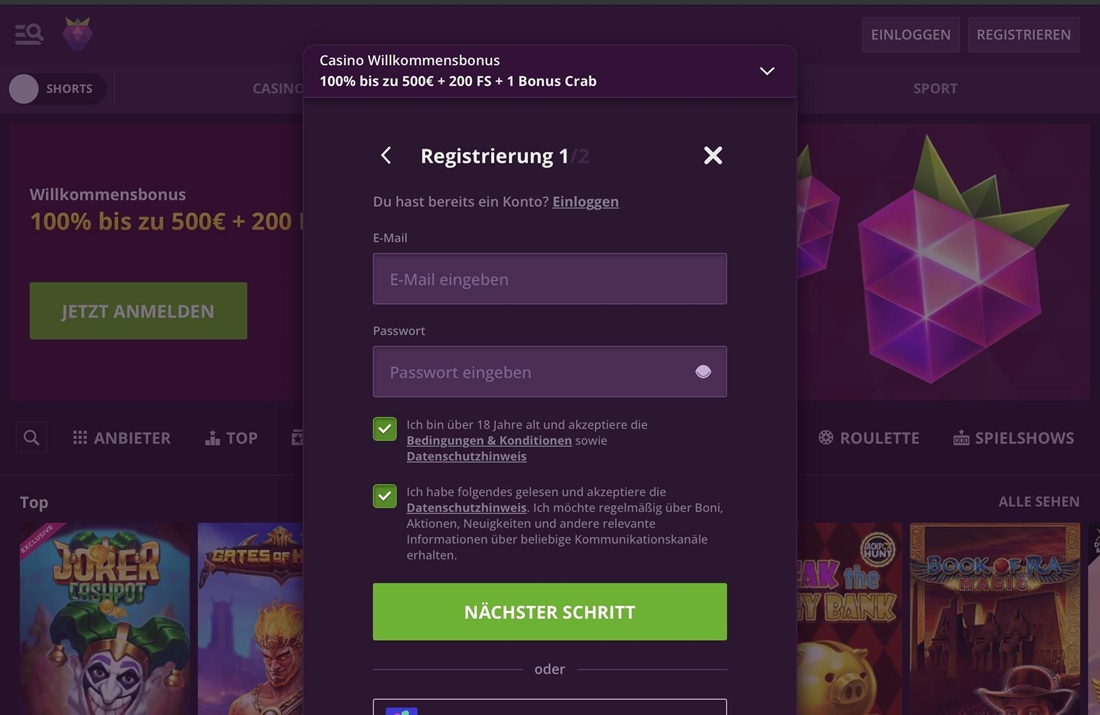
Spending limits are boundaries you define on your account to regulate how money flows during your sessions. Once you’ve defined them, the system enforces them automatically—no need to count on willpower alone. The idea is simple: decisions you take when you’re cool-headed and level-headed tend to be more reasonable than those made in the heat of the moment. By defining bounds before you begin playing, you hand the enforcement job to the platform. Reputable online casinos, Malina Casino included, provide several types of restrictions that target different parts of your spending. These mechanisms aren’t intended to remove the fun out of gaming; they’re there to maintain the anxiety of unchecked spending at bay. They’re adaptable enough for different playing styles, yet firm enough to deliver real safeguard when you want it.
Deposit Bounds
Deposit restrictions limit how much you can deposit into your casino account over a specified period. They’re often the initial security measure because they manage the money at the source. You could define a daily deposit limit of fifty euros, a weekly limit of two hundred euros, or a monthly limit that aligns with your entertainment budget. Once you hit the cap, the system blocks any further deposits until the period renews. That automatic block removes the temptation to recover losses or prolong a session beyond your original plan. The beauty of deposit limits is their straightforwardness—no complicated math, no constant checking. You determine what you can comfortably afford to spend on fun, input the number, and gamble within that boundary. For a numerous users, this one tool converts the whole experience from potential stress into pure relaxation because the money side is secured.
Loss Limits
Loss restrictions zero in on the final figure you forfeit over a set duration, no matter how much you added. This feature is particularly helpful because it looks at the result, not just the funds deposited. You could deposit a larger sum but define a firm loss restriction that prevents you from wasting all of it. For example, you put in one hundred euros but define a daily loss limit of thirty euros. If your balance declines to seventy euros, the system halts further activity until the day after, protecting the rest. This pushes you to step back when fortune isn’t with you, breaking the dangerous loop of recouping losses with larger and larger wagers. Loss limits also offer you a better picture of your actual expenditure over the duration—just deposits don’t show the complete truth. Someone who frequently adds and removes funds might exhibit high deposit numbers but low actual losses; loss limits help distinguish activity from actual expenditure.
Stake Limits
Wager limits cap the total amount you bet during a gaming session or time period, irrespective of wins or losses. This appeals to players who wish to manage their total betting volume, not just the net financial result. A weekly wager limit of five hundred euros means that once you’ve placed bets adding up to that amount, you can’t place any more until the limit resets. It’s especially handy if you enjoy long sessions and want to prevent accidentally cycling through large sums. Even when you’re winning, large wager totals can turn into big losses if luck shifts, so capping total action gives you a broad safety net. Wager limits also keep you aware of how much time you’re investing gaming—hitting the limit naturally ends the session. That builds a healthy rhythm where entertainment stays balanced with the rest of your life.
Voluntary Exclusion as an Extended Limit Tool
Self-exclusion is the most complete type of spending restriction—it sets every cap to zero for a specified period. You voluntarily ban access to your profile for a period that can extend from a few days to several months, or even permanently. While you are banned, the system prevents you from signing in, making deposits, or participating in any games. Marketing emails stop too, removing triggers that might lure you to come back too soon. Self-exclusion fulfills different goals. For some, it’s a break after a rough session or a run of losses that left them rattled. The break lets feelings settle and viewpoint return; later, you can choose whether to come back with new, tighter limits. For others, self-exclusion is an recognition that gambling is no longer a positive part of their lifestyle and that a irreversible separation is the healthiest move.
Configuring self-exclusion at Malina Casino is easy—you can accomplish it from your account options or by reaching out to customer support. The platform handles these requests with care and implements them right away, with no way to cancel the exclusion until the rmcsport.bfmtv.com timeframe ends. That irreversibility is essential because it prevents you from prematurely stopping the pause early. If you’re considering self-exclusion, also consider blocking software that extends the ban across multiple gambling sites. Tools like Gamban, BetBlocker, or GamBlock can block access to countless gambling websites and apps, giving you protection beyond a sole platform. These software alternatives are particularly beneficial if you have accounts with several operators and want a complete wall. Pairing platform-level self-exclusion with device-level blocking software builds a strong defense that minimizes the friction of resisting gambling desires when you are in a weak moment.
How to Establish Effective Spending Limits
To set effective spending limits, you require an honest look at your finances. Begin with calculating a real entertainment budget—the disposable income left after all essential expenses and savings. That number should be what you can afford to lose without affecting your quality of life or obligations. A useful trick is to compare casino spending to other fun expenses: cinema tickets, restaurant meals, concert tickets. If you’d comfortably drop fifty euros on a night out, that same amount could work as a session limit. The key is to see the money as the price of entertainment, not an investment that might pay off. That mental shift prevents you from viewing gambling as a possible income source and keeps your expectations grounded in reality.
Once you have a budget number, divide it across timeframes that match your playing habits. Daily limits are for people who play frequent short sessions; weekly or monthly limits work better if you prefer longer, less frequent sessions. Choose a timeframe that mirrors your natural rhythm. If you play for thirty minutes each evening, a daily deposit limit makes sense. If you settle in for a longer session every Saturday, a weekly limit might be better. It’s smart to set limits a bit below your absolute maximum—that creates a buffer for unexpected impulses or miscalculations. Malina Casino’s limit-setting interface is straightforward, with clear options for different limit types and timeframes. You can modify your limits anytime, but responsible platforms usually impose a cooling-off period before increases take effect, so those decisions aren’t made on a whim.
Handling Limits Over Multiple Timeframes
Using multiple timeframes together builds a layered safety net that catches both short-term impulses and long-term patterns https://malinabelgium.com/fr-be/responsible-gambling/. You can set a daily deposit limit of forty euros, a weekly limit of one hundred and fifty euros, and a monthly limit of four hundred euros. This setup blocks overspending in a single session and the gradual creep of spending across many sessions. The daily limit controls immediate impulse control—stops you from depositing more in the heat of the moment. The weekly limit guarantees that even if you hit the daily cap on several days, your overall weekly spend remains contained. The monthly limit gives the broadest view, matching casino spending with the monthly budget cycles most households use. This layered approach works well because problem spending can show up in different ways. Some people binge in one go, while others slowly leak more than they realize across lots of small sessions. Layered limits cover both.
When establishing multiple limits, make sure the numbers are logical. The monthly limit should relate logically to the weekly and daily ones, not clash. A daily limit of one hundred euros with a weekly limit of two hundred euros works—it enables two heavier sessions per week. But a daily limit of one hundred euros with a weekly limit of one hundred euros would be conflicting and confusing. The system would stop deposits after the first day, making the daily limit pointless for the rest of the week. Consider your typical playing schedule and ensure the limits align. A useful method is to begin with the monthly figure, divide by four to arrive at a rough weekly amount, then determine how many sessions per week feel right, and divide further to reach a daily number. This top-down approach keeps the math consistent and shows your actual habits, not arbitrary numbers.
Recognizing When to Reduce Your Limits
Spending limits aren’t static; they need a regular check to ensure they still fit your situation. A few warning signs indicate your current limits might be overly generous and require adjustment. The most apparent: you hit the maximum limit frequently. If you’re bumping against your deposit cap every single week without fail, the limit might be acting more like a target than a boundary. That irony—where a restriction actually drives you to spend up to the max—means the limit is probably set too high for your real comfort zone. Another alert is how you react when you hit a limit. Frustration, anger, or a strong impulse to find a way around it suggest an unhealthy relationship with the boundary. A well-set limit should feel like a natural stopping point, not an annoying obstacle you have to defeat.
Life changes demand a fresh look at your limits too. A drop in income, surprise expenses, or new financial duties like a mortgage or childcare costs should trigger an immediate review of your entertainment budget. Times of emotional stress, difficulty, or big life transitions can cloud your judgment and make you more prone to use gambling as an release. Willingly lowering limits during those periods adds an extra safety layer. Also, pay attention to your behavior away from the screen. If thoughts about gambling keep interrupting work, family time, or sleep, or you find yourself constantly planning the next session, the activity is taking up too much mental space. Reducing limits—or taking a full break with self-exclusion tools—can help you regain control. The goal is always to keep gambling in its place as one leisure activity among many, not the center of your life.
The reason Spending Limits Play a Role for Each Player
Spending limits aren’t simply for those who believe they are struggling—they’re a precautionary tool that helps all players. Our brains are not designed to form wise money decisions as emotions are elevated, and gaming sessions definitely bring ups and downs. By setting boundaries ahead of excitement or disappointment sets in, you shield yourself from your own spontaneous side. The casino environment is designed to be absorbing and compelling, which is precisely why outside controls are so valuable. Even the most disciplined person can wind up lengthening a session or raising bets above what they meant as they’re absorbed in the moment. Spending limits act as a soft but firm nudge iro.umontreal.ca backward to your own predefined lines. They turn ambiguous intentions into tangible, applicable rules that work despite your mood. Transitioning from depending on willpower alone to trusting on a system-backed commitment is a big step forward in controlling your money during gaming.
Spending limits also maintain the fun during casino play. When there’s no cap, worry about likely losses can overpower the enjoyment of the games. When you are always anxious about overspending, you cannot fully appreciate what you are spending. Limits wipe out that lingering anxiety by providing you complete clarity. You understand your greatest exposure and can settle within that defined space. That emotional freedom amplifies the entertainment value, transforming gaming into a true leisure activity rather than a financial stressor. Plus, spending limits safeguard your relationships and household budget by making sure casino spending never cuts into money intended for essentials. Being aware that bills, groceries, and family needs stay untouched brings reassurance and encourages a enduring, long-term approach to online gaming.
Extra Materials and Help Networks
Beyond the functions built into the casino platform, you’ll find a wide range of outside resources for anyone who aims to improve their controlled gambling habits. Skilled counseling services focus on gambling concerns and can offer tailored strategies that extend past self-help. Organizations like Gambling Therapy offer free online help groups and discussion boards where you can share experiences and gather knowledge from others encountering comparable challenges. These networks break through the loneliness that often is tied to gambling issues and provide practical advice from people who genuinely understand the challenge. The confidentiality of online groups reduces the obstacle to getting help, making it easier to make that primary step. Numerous of these offerings are accessible in multiple languages, so language doesn’t become a obstacle to obtaining support.
Financial counseling can be a big help if gambling has strained your budget. These professionals help you build realistic repayment plans, negotiate with creditors, and get back on stable financial ground. Addressing the money fallout from excessive gambling often eases a lot of pressure, which in turn lowers the urge to gamble as an escape. Many countries also run national helplines with trained advisors who can provide immediate support and connect you with local services. These helplines are usually complimentary, confidential, and open 24/7. For friends and family impacted by someone else’s gambling, dedicated support services offer counsel on how to manage the situation constructively without enabling harmful behavior. The support network around responsible gambling is wide and continues to expand as awareness of gambling-related harm increases. Nobody has to face these challenges by themselves, and asking for help is a mark of strength and self-awareness, not failing.
Educational resources are a key part of the support equation too. Understanding the math behind casino games—the house edge, the nature of random outcomes—helps you keep your expectations realistic. A lot of problem gambling patterns come from misunderstandings about how gambling works, like believing a losing streak has to turn around or that some strategy can beat the built-in house advantage. Good resources explain these concepts clearly and simply, arming you with knowledge that supports smarter decisions. Malina Casino encourages all players to check out these educational materials and tackle gaming with a clear grasp of the statistical realities. Knowledge, paired with practical limit-setting tools and access to professional help when needed, creates a complete framework for keeping casino entertainment just that: entertainment.